Deira
The trading and residential side of Dubai Creek, with souks, Al Ras, Naif, Al Rigga, Port Saeed and modern malls. Deira combines older commercial geography with the Metro, apartment neighbourhoods and a broad network of city services.
The different parts of Deira
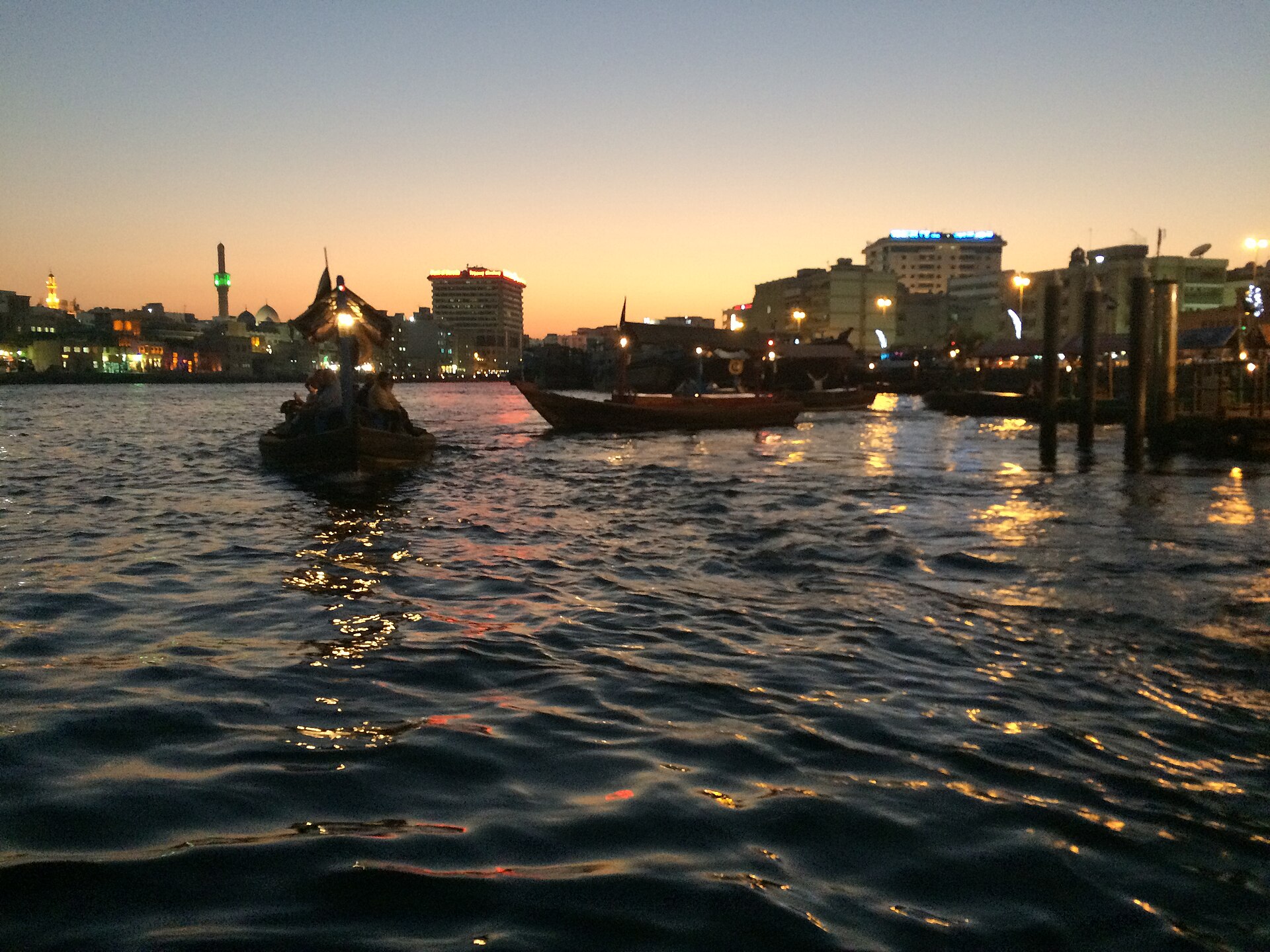
Deira occupies the Dubai Creek bank opposite Bur Dubai and extends beyond the historic souk area. Al Ras and Naif are associated with older trading streets; Al Rigga and Al Muraqqabat combine homes, hotels and restaurants; Port Saeed lies closer to City Centre Deira and the larger urban road network. These are several settings under one district name. Deira is not limited to the visitor-facing Gold Souk or a single type of residential building. Street trading, offices, apartments and hotels create a dense urban environment serving residents as well as people arriving for work and shopping.
Housing in an established city
Apartments in buildings of different ages form most of Deira's housing stock. Low- and mid-rise residential blocks sit alongside larger modern developments, with shops and services often on lower levels. Homes range from studios to family apartments, while parking, lifts, pools and fitness facilities depend on the building. This is city living among active trading streets and transport routes, rather than a separate new housing district with uniform amenities. Street density, hospitality and building scale change between Al Ras, Al Rigga and Port Saeed. An individual neighbourhood therefore describes the residential surroundings more precisely than the wider Deira name.
Gold Souk, Spice Souk and trading streets
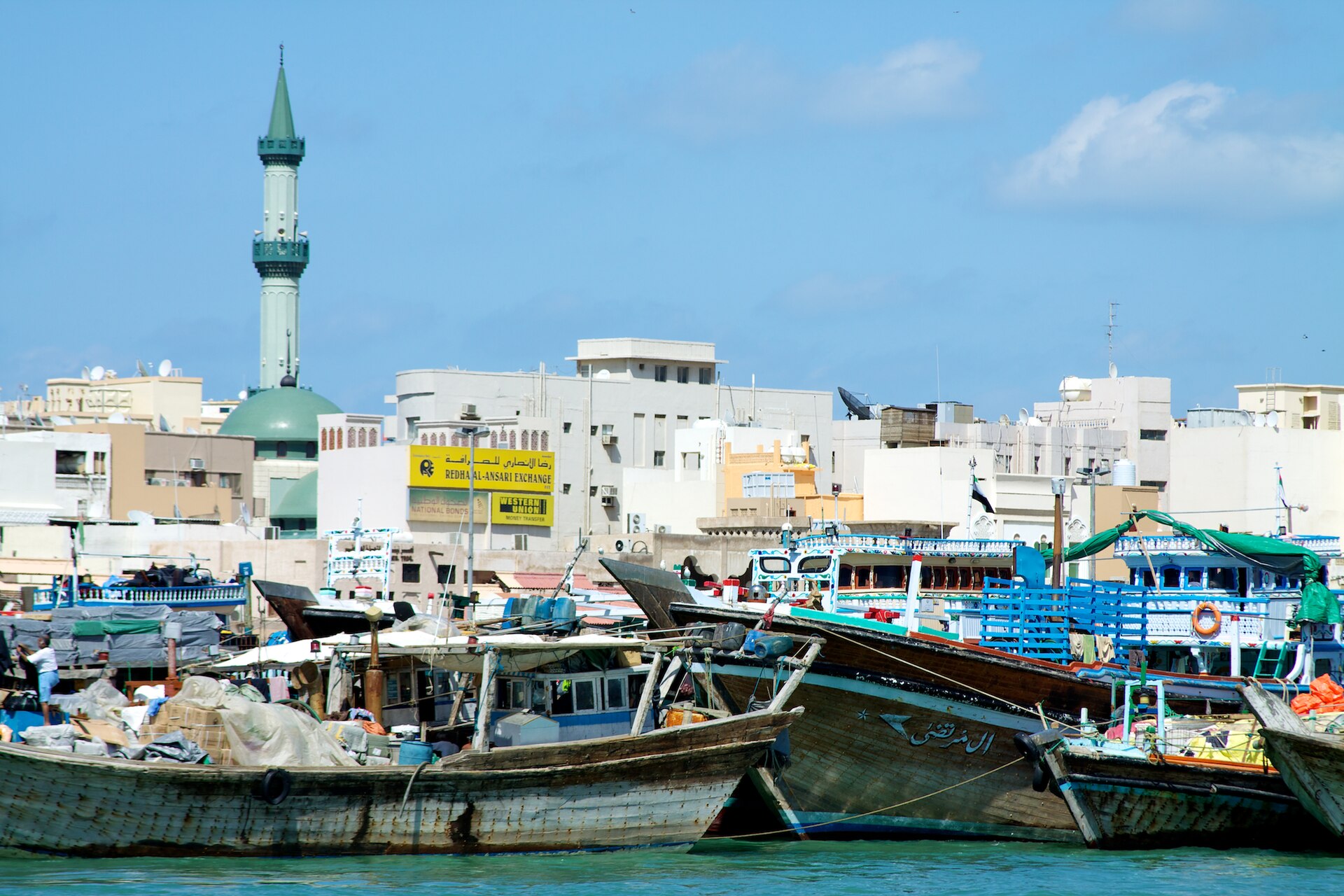
Gold Souk and Spice Souk are different parts of Deira's traditional trading environment. The former centres on jewellery and precious metals, while the latter sells spices, aromatic goods and food products. Perfume and other specialist shops operate nearby. Naif adds clothing, fabric and everyday-goods trading to this geography. Retail is distributed along streets and small premises rather than concentrated solely within one mall. The setting attracts visitors while remaining a working part of the city. Wholesale, storage and retail activities sit alongside hotels, cafés and homes, retaining the character of the older trading bank.
Malls and Waterfront Market
Al Ghurair Centre and City Centre Deira provide modern shopping infrastructure with stores, groceries, dining and entertainment. Al Ghurair Centre contains GLITCH, a family venue with arcade games, bowling and active attractions. Waterfront Market offers a different format, specialising in fresh food including fish and seafood, vegetables, fruit and spices. These places complement rather than replace the historic souks. Deira's commercial life therefore operates at several scales: a small street shop, a specialist souk, a large fresh-food market and a contemporary shopping centre with family leisure facilities.
The Creek, crossings and Metro
Traditional abras connect Deira Old Souq with Bur Dubai, and Al Sabkha with Dubai Old Souq. The crossings retain a practical role in movement between the two trading banks. The Metro provides another level of connectivity: Union is a Red and Green Line interchange, Al Rigga and City Centre Deira serve the Red Line, and Al Ras and Baniyas Square serve the Green Line. Buses and city roads complete the network. Local walking can therefore combine with journeys elsewhere in Dubai. Deira is extensive, so a home's relationship with a station or abra crossing depends on its position within the district.
Everyday life and city services
Deira has supermarkets, schools and early-years facilities, clinics, pharmacies and major hospital infrastructure. Dubai Hospital is on Al Khaleej Street in Deira. Restaurants and cafés reflect the district's international trading life, ranging from small everyday venues to hotel dining. Deira is relevant to people choosing an established urban environment with transport and services rather than a single resort-style masterplan. Trading streets, housing, working routes and the Creek define its character. Heritage exists within a functioning city, alongside the practical needs of the people who live and work here, rather than in a separate visitor-only setting.