Start with rights to the actual parking bay
Establish which parking bay belongs with the apartment: its number, position and documented basis of use. Inspect the entrance, dimensions, columns and route to the lift. A general parking-included statement does not establish permission to install a charger. Even a convenient allocated bay does not mean cables or shared infrastructure may be altered. If charging at home is a purchase requirement, keep it on the unresolved list until written confirmation, rather than discovering the gap after ordering a vehicle or equipment.
Separate personal charging from a shared station
DEWA distinguishes private equipment for a limited group from public infrastructure under its regulatory definitions. A charger inside a residential community is not necessarily your personal unit: it may have an operator, access rules and separate charges. Ask management to explain the arrangement for the actual bay. Do not treat a shared station as allocated to the apartment or assume it will be available every night. What matters is not an EV-ready label but a clear answer about which equipment you can use, when and on what terms.
Request approvals and a technical assessment
DEWA’s official materials set out applicable approval procedures and technical requirements, including for private charging. Ask management and a specialist for the required approvals, permitted connection route and responsible party. This article provides neither wiring instructions nor permission for DIY work. Do not run a temporary cable across a driveway or replace an engineering assessment with a seller’s assurance that a socket is nearby. Establish the position for the building’s actual system before committing to equipment or installation costs.
Understand who bills for what
For home charging behind a customer’s meter, DEWA describes energy use being added to the normal electricity bill. This does not mean every parking-garage station is billed the same way. Establish the meter owner, operator, tariff, fixed payments, maintenance and terms for changes. For public charging, check the full price structure, time limits and any additional charges under the operator’s conditions. A free-charging claim is not permanent savings without a duration and terms. Installation and ongoing energy use should remain separate budget lines when comparing homes.
Match the vehicle to the actual station
Check vehicle, connector and charging-mode compatibility against the car documentation and station conditions. A power rating on the equipment does not promise the same speed for every vehicle. Ask a specialist about your actual configuration instead of using a general marketing time estimate. DEWA’s rules include a user responsibility to choose functioning compatible equipment. Do not experiment with unconfirmed adapters or attempt to repair a station yourself. A housing decision needs a verified working routine, not improvised electrical solutions or unsupported promises about driving range.
Inspect shared charging at an ordinary time
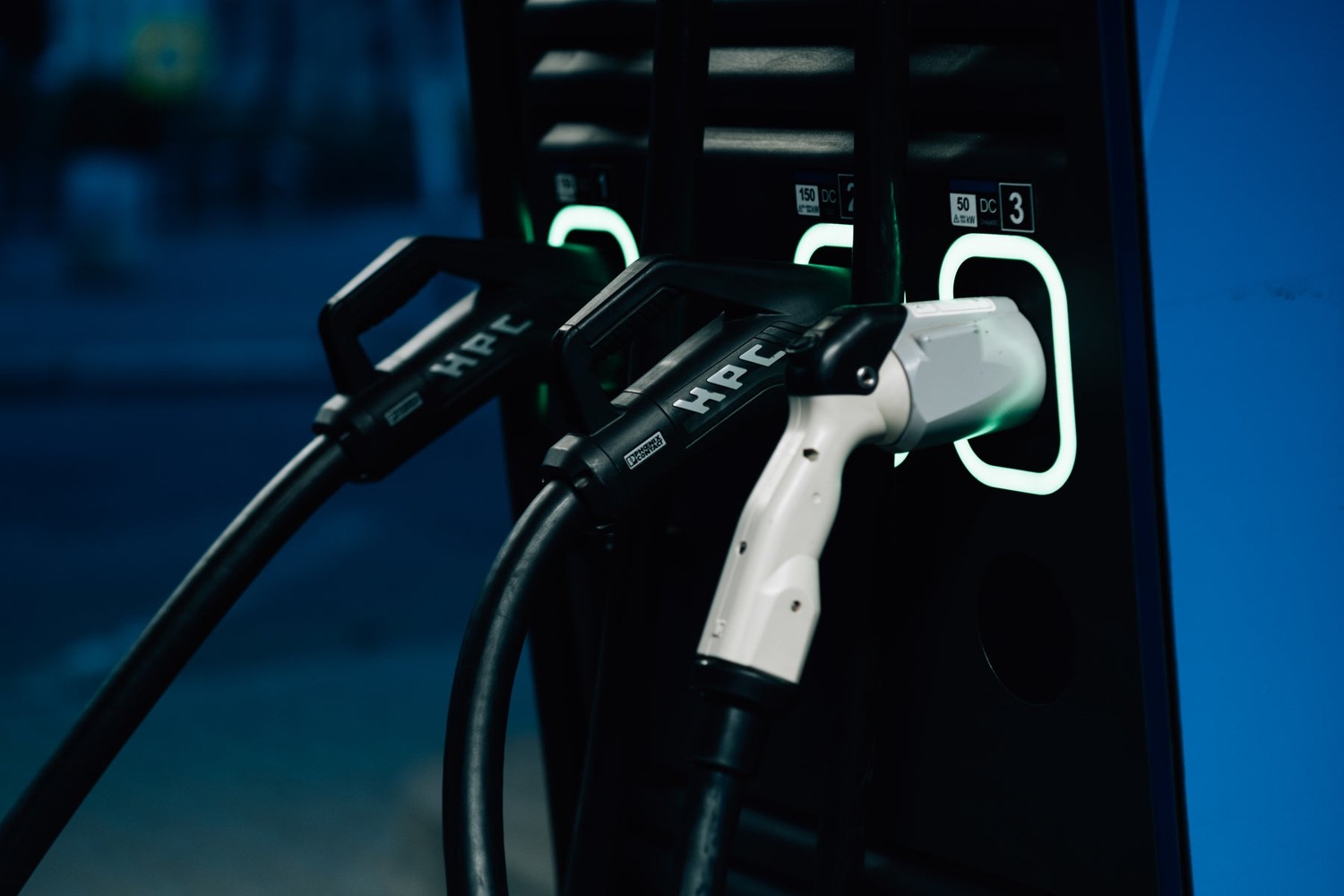
Look at entry, cable access, payment and exit. Ask the operator whether access is for residents, visitors or another group and what happens when a station is occupied or faulty. Under DEWA’s regulation, charging bays are for charging, not ordinary long-term vehicle storage. Read displayed conditions, including any applicable overstay charge. A free station during one viewing does not establish daily availability. Do not infer the infrastructure’s capacity from a single photograph of a green parking sign or assume shared access amounts to a reserved personal space.
Check a backup station separately
DEWA publishes EV Green Charger locations on its website and app. That is a starting point, not a promise of a free connector when you arrive. Choose an alternative and check access hours, compatibility, payment and the actual journey from home. If a site is inside a mall or controlled-access property, establish the related restrictions separately. Do not carry one station’s conditions into every other location. A backup matters particularly while a private installation is still being discussed and its completion date has not been confirmed in writing.
Compare homes through a confirmed routine
For each apartment, keep the bay number, written management response, connection assessment, cost breakdown and shared or backup station terms. Separate working equipment from promised future provision. Test the case in which installation takes longer or proves unavailable and decide whether the apartment still works. DEWA’s rules apply to Dubai; another emirate needs its own checks. The useful result is a confirmed way to charge within your normal day, not a promise that every modern residential tower automatically suits an electric-vehicle owner.